

- Why Natural Remedies Can Support Hair Growth
- 1. Amla Water: One of the Most Trusted Home Remedies for Hair Growth
- 2. Bhringraj Oil: The Ayurvedic Herb Often Called the King of Hair
- 3. Curry Leaves: An Underrated Ingredient for Thicker Hair
- 4. Fenugreek Water: A Simple Remedy That Continues to Stand the Test of Time
- A Simple Daily Routine for Hair Growth and Thickness
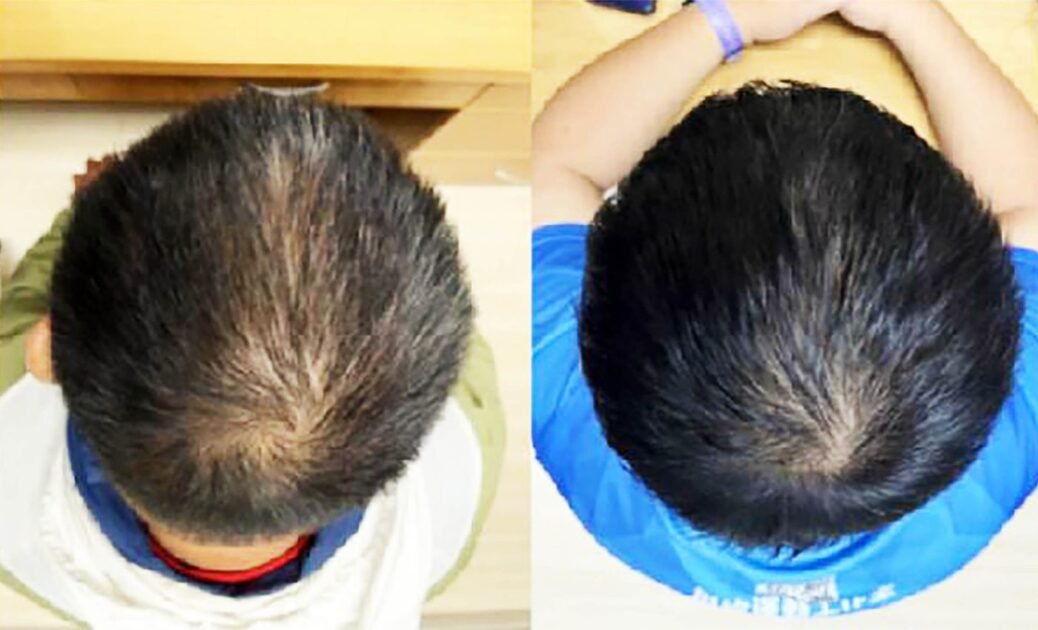
Hair loss rarely happens overnight. For many people, it starts subtly a few extra strands on the pillow, more hair in the shower drain or a widening part line that becomes harder to ignore. The common response is often to switch shampoos, buy expensive serums or try the latest viral hair oil. Yet despite spending time and money on products, many people continue to struggle with thinning hair because healthy hair growth depends on much more than what you apply to your scalp.
Hair follicles need proper nutrition, healthy blood circulation, hormonal balance and a scalp environment that supports growth. When one or more of these factors are compromised, hair may become weaker, thinner and more prone to shedding. This is why many people are now turning to natural remedies for hair growth and thickness instead of relying solely on cosmetic solutions.
Some traditional remedies have been used for generations because they target the factors that often contribute to hair thinning. Among the most popular are amla, bhringraj, curry leaves and fenugreek. These ingredients are rich in nutrients, antioxidants, and plant compounds that may help support stronger hair from the inside out.
In this guide, we’ll explore four natural hair growth remedies that continue to be widely used today, how they work and how you can include them in your daily routine.
Why Natural Remedies Can Support Hair Growth
Before diving into the remedies themselves, it’s worth understanding why natural approaches can be effective. Hair follicles are living structures like every other part of the body, they require oxygen, nutrients and protection from inflammation.
When the body is low in protein, iron, vitamins or other essential nutrients, hair growth often slows down. Likewise, poor scalp circulation, chronic stress, and hormonal changes can weaken follicles over time.
Many natural remedies for thicker hair work because they address one or more of these issues. Some provide antioxidant protection, some support blood circulation, while others deliver nutrients that healthy hair growth depends on.
The goal isn’t to find a miracle cure. The goal is to create an environment where healthier hair can grow consistently.
1. Amla Water: One of the Most Trusted Home Remedies for Hair Growth

When discussing natural remedies for hair growth and thickness, amla is often one of the first ingredients that comes to mind. Also known as Indian gooseberry, amla has been valued in traditional wellness practices for centuries. While it’s commonly associated with hair care, its benefits actually begin from within.
One reason amla receives so much attention is its exceptionally high vitamin C content. Vitamin C plays an important role in collagen production, a protein that helps support the structure of skin and hair follicles. Stronger follicles are generally better equipped to produce stronger strands of hair.
Amla is also packed with antioxidants. These compounds help combat oxidative stress, which is increasingly being recognized as a factor that contributes to premature hair thinning and scalp aging. Over time, oxidative damage can weaken follicles and interfere with healthy growth cycles.
Another reason many people include amla in their hair care routine is its potential effect on scalp health. A healthy scalp creates a better foundation for hair growth and amla’s natural anti-inflammatory and antimicrobial properties may help reduce irritation, dandruff and buildup that could otherwise interfere with follicle function.
How to Prepare Amla Water
Preparing amla water is surprisingly simple.
- Add 1 teaspoon of amla powder to a glass of water.
- Leave it overnight.
- Warm it slightly the next morning.
- Drink it on an empty stomach.
Consistency is important while some people expect overnight results, hair growth works on a much longer timeline. Most individuals need several weeks of regular use before noticing visible improvements.
What Results Can You Expect?
People who use amla consistently often report reduced hair shedding, improved scalp health, stronger hair roots, better shine and texture, healthier overall hair growth.
While amla won’t magically regrow hair in a few days, it can become a valuable part of a long-term natural hair care strategy.
2. Bhringraj Oil: The Ayurvedic Herb Often Called the King of Hair
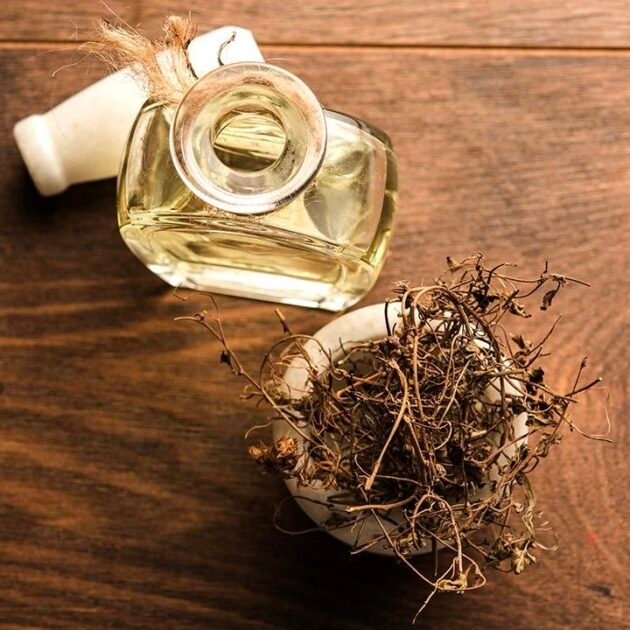
Few herbal ingredients have earned a reputation quite like bhringraj. In traditional Ayurvedic texts, bhringraj is often referred to as Keshraj which literally translates to “King of Hair.” This nickname wasn’t given without reason. For generations, it has been used to support scalp health and strengthen hair from the roots.
What makes bhringraj particularly interesting is that its benefits aren’t limited to the hair itself. The herb is believed to help create a healthier scalp environment which is where every strand of hair begins its journey.
One of the biggest challenges in hair thinning is poor blood circulation around hair follicles. When follicles receive fewer nutrients and less oxygen, growth may slow down. Scalp massage with bhringraj oil may help stimulate circulation while also helping the body relax.
Stress is another factor often overlooked in discussions about hair loss. Chronic stress can disrupt normal hair growth cycles, pushing more hairs into the shedding phase. Taking ten minutes to massage the scalp with warm bhringraj oil not only supports circulation but also creates a calming ritual that may help reduce stress levels.
How to Use Bhringraj Oil
- Warm a small amount of pure bhringraj oil.
- Apply it directly to the scalp.
- Massage gently using circular motions for 10 minutes.
- Leave it overnight if possible.
- Wash with a mild shampoo the next morning.
Using bhringraj oil two to three times per week is generally sufficient for most people.
Why It Remains Popular
Many people searching for natural ways to increase hair thickness are drawn to bhringraj because it addresses several concerns at once:
- Supports scalp circulation
- Helps maintain healthy follicles
- Encourages stronger roots
- Promotes a healthier scalp environment
When combined with proper nutrition, it can become an effective addition to a natural hair growth routine.
3. Curry Leaves: An Underrated Ingredient for Thicker Hair
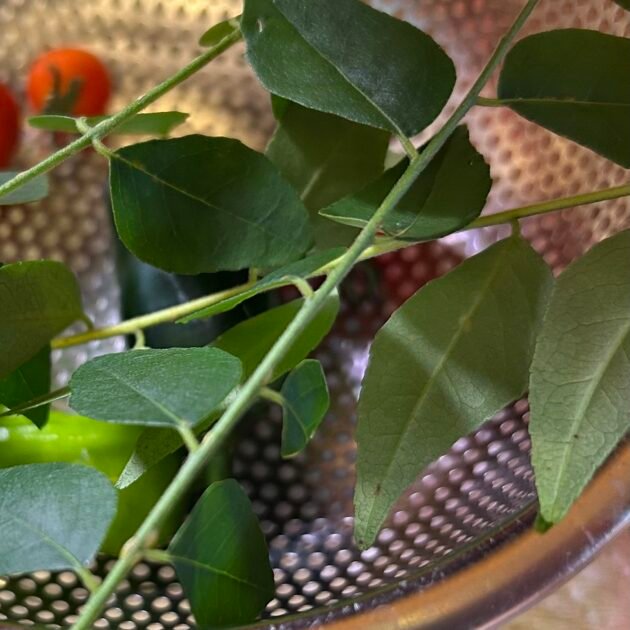
Most people know curry leaves as a kitchen ingredient but they may also offer benefits for hair health. Curry leaves contain an impressive combination of nutrients including beta-carotene, antioxidants, minerals and plant compounds that support overall wellness.
These nutrients may help strengthen hair roots and reduce the appearance of thinning hair over time. One reason curry leaves are frequently included in traditional hair care practices is their nutrient density. Hair follicles require a steady supply of nutrients to function properly and curry leaves can contribute to a more nutrient-rich diet.
How to Make Curry Leaf Tea
- Take 10–15 fresh curry leaves.
- Boil them in one cup of water for 5–7 minutes.
- Strain the liquid.
- Add a small amount of honey if desired.
- Drink once daily.
Many people include curry leaf tea as part of their broader routine of natural remedies for thicker hair because it’s simple, affordable and easy to maintain consistently.
4. Fenugreek Water: A Simple Remedy That Continues to Stand the Test of Time
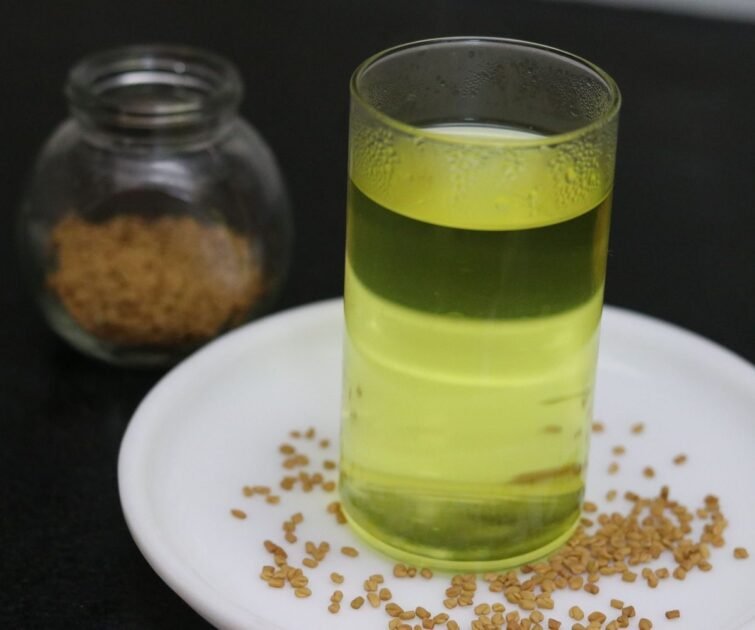
Fenugreek seeds, commonly known as methi, are among the most widely used home remedies for hair growth. Although they appear small, these seeds contain nutrients that are highly relevant to hair health, including protein, amino acids, iron, and nicotinic acid.
Protein is particularly important because hair itself is largely composed of protein. When protein intake is inadequate, hair may become weaker and more prone to breakage.
Fenugreek is also often discussed in relation to hormonal hair concerns while no natural ingredient can completely eliminate hormonal hair loss, fenugreek contains compounds that have attracted attention for their potential role in supporting a healthier hormonal balance.
How to Prepare Fenugreek Water
- Soak 1–2 teaspoons of fenugreek seeds in a glass of water overnight.
- Drink the water the next morning.
- Chew the soaked seeds for additional nutritional benefits.
With consistent use fenugreek may help support stronger hair strands, improved scalp hydration, reduced dryness and healthier-looking hair over time
A Simple Daily Routine for Hair Growth and Thickness
If you want to combine all four remedies, follow this practical routine:
Morning – Drink amla water on an empty stomach.
10 Minutes Later – Consume fenugreek water and eat the soaked seeds.
Evening – Drink freshly prepared curry leaf tea.
Night – Massage your scalp with bhringraj oil before bed. Following this routine consistently for three months gives these natural remedies enough time to support the hair growth cycle.
The best natural remedies for hair growth and thickness are rarely the most complicated ones. Often, they are simple habits practiced consistently over time. Amla nourishes from within, bhringraj supports scalp health, curry leaves provide valuable nutrients, and fenugreek contributes proteins and plant compounds that healthy hair depends on.
No natural remedy can guarantee overnight hair growth. However, when combined with a balanced diet, good sleep, stress management, and consistent use, these traditional remedies may help create the conditions needed for stronger, fuller and healthier hair in the months ahead.
This approach keeps the article focused on the remedies (about 80–85% of the content), naturally includes related keywords such as natural hair growth remedies, home remedies for hair growth, natural ways to increase hair thickness, natural remedies for thicker hair and how to grow hair naturally and avoids the repetitive AI pattern where every section follows the exact same structure.